A healthy indoor environment is one in which the
occupants of the building feel a sense of health and well being. The qualities of good indoor air
include:
Introduction of fresh air and distribution of adequate ventilation
air.
Control of indoor contaminants such as Voc's and Mold.
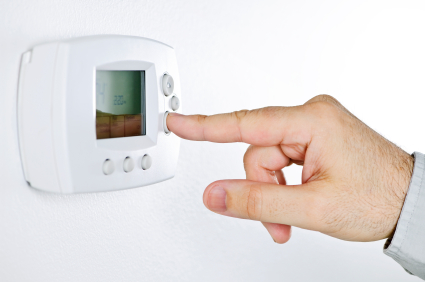
Maintenance of acceptable temperature and relative humidity are maintained in
an acceptable manner for occupants.
As the Chinese Drywall story continues, it is getting more interesting. As the
investigation continues, it has been learned that the drywall is labeled on some of the drywall but not all. This
basically is telling us that it is impossible to identify strictly by name on the back only. This is a new twist in
the evolving story that is now being called Chinese (Reactive) Drywall by a protocol being developed for the State
of Florida by the Florida Professional Coalition for Chinese (Reactive) Drywall. This is a positive development to
help set up a way to develop a plan of action to remove it. Chinese
Drywall
Pollution
Polluted indoor air can cause problems and have serious consequences such
as:
Repetitious health problems such as coughs, eye irritation, headaches, and
allergic reactions.
Unacceptable productivity due to discomfort, stress and increased
absenteeism.
Accelerated deterioration of furnishings and equipment.
Strained relations between employees and employers or household
inhabitants.
In most cases where indoor air quality is suspected of causing worker's health
related problems management is often turned around by hard evidence. The best solution is polling your
employees to get an idea of how many are having similar complaints. Naturally, there will always be a few
people unhappy about their work environment. But if you start getting 25 to 50 percent of the people who work
in the same area having problems, then you have an unusual situation. The key is to stop the problem before it
becomes a full fledged Workman's Comp Case due to a doctor's diagnosis.
Indoor air quality in a large building is the product of multiple influences,
and attempts to bring problems under control do not always produce the expected result. Most indoor air quality
problems are complex and may require the assistance of outside professionals. In-house investigations by
non-professionals are not recommended in most cases.
Need Some Help?
"Phase I Investigation" is designed to conduct
Indoor Air Quality monitoring and testing using standard scientific protocols and procedures with an emphasis
placed on finding practical cost effective solutions. We travel world-wide to service our clients in
many different countries.